 Save Pin
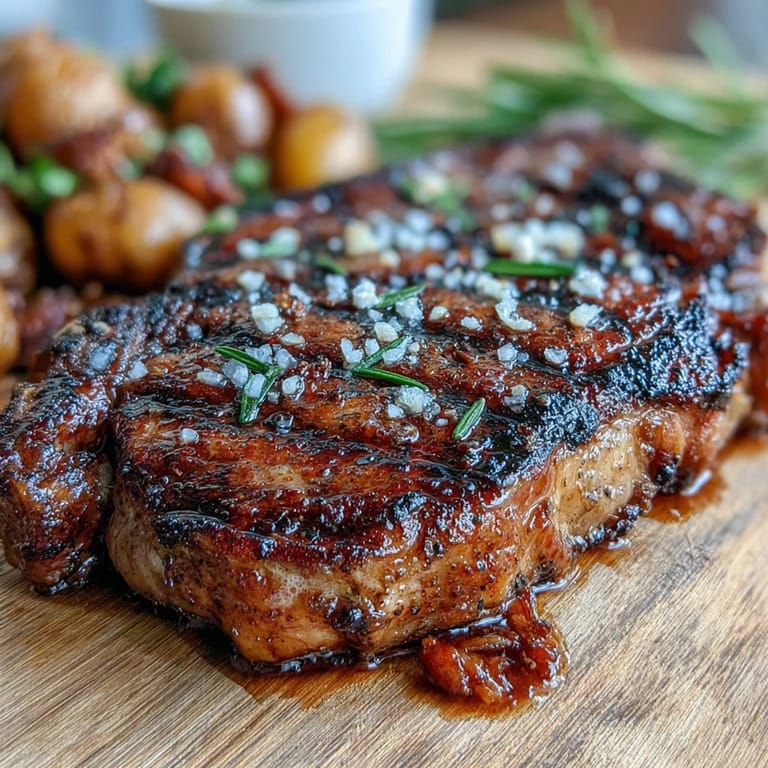
 My dad bought those massive bone-in rib eyes from the butcher counter one Saturday, and the moment I saw them sitting there with their marbled fat caps catching the kitchen light, I knew we were doing this right. There's something about that bone that makes you want to grill it immediately, like it's daring you to not mess it up. I'd watched enough people overcook beautiful steaks to know I had to be deliberate but confident. That afternoon turned into one of those cooking moments where everything clicked, and honestly, the only thing I could think about was how to recreate it.
The first time I made this for my partner, I was genuinely nervous about the timing because we'd invited another couple over and I didn't want to be that person flipping steaks every thirty seconds like some anxious amateur. I remember standing there with tongs in hand, listening to that perfect sizzle when they hit the grill, and realizing I could actually feel when they were ready instead of guessing. That confident, quiet moment of knowing made the whole meal taste better, somehow.
Ingredients
- Bone-in rib eye steaks (1.5 inches thick, 16 oz each): The bone isn't just for show, it distributes heat evenly and keeps the meat insanely tender if you don't rush the cooking process.
- Olive oil: Creates a barrier that helps develop that gorgeous crust without the meat drying out on the inside.
- Kosher salt and freshly ground black pepper: Applied generously right before grilling, these two do all the heavy lifting in seasoning because the high heat seals everything in.
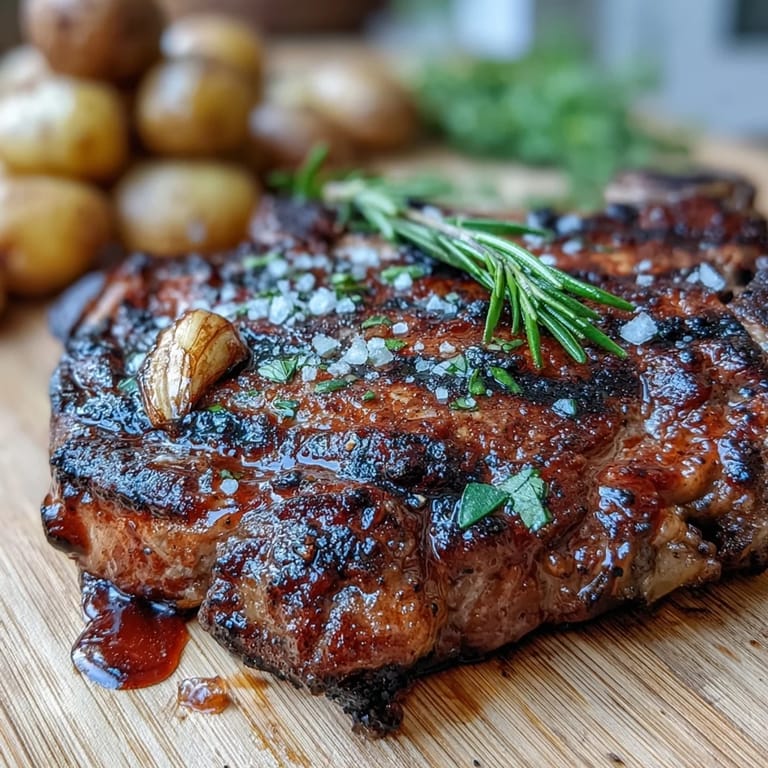
- Fresh rosemary and smashed garlic: Place these directly on top of the steak while grilling so their oils infuse into the meat as it cooks, giving you this herbal, deeply savory layer of flavor.
- Baby potatoes: Halved so they cook evenly and get that creamy butter texture inside while staying waxy on the outside.
- Unsalted butter and fresh parsley: Butter carries flavor better when it's unsalted, letting the potatoes shine instead of turning them overly salty.
- Asparagus, trimmed: Grilling brings out this nutty sweetness you won't get from boiling, plus the char marks make it look intentional and delicious.
- Lemon wedges: A squeeze right at the end cuts through the richness and reminds you why fresh citrus belongs on every grilled plate.
Tired of Takeout? 🥡
Get 10 meals you can make faster than delivery arrives. Seriously.
One email. No spam. Unsubscribe anytime.
Instructions
- Bring your steaks to room temperature:
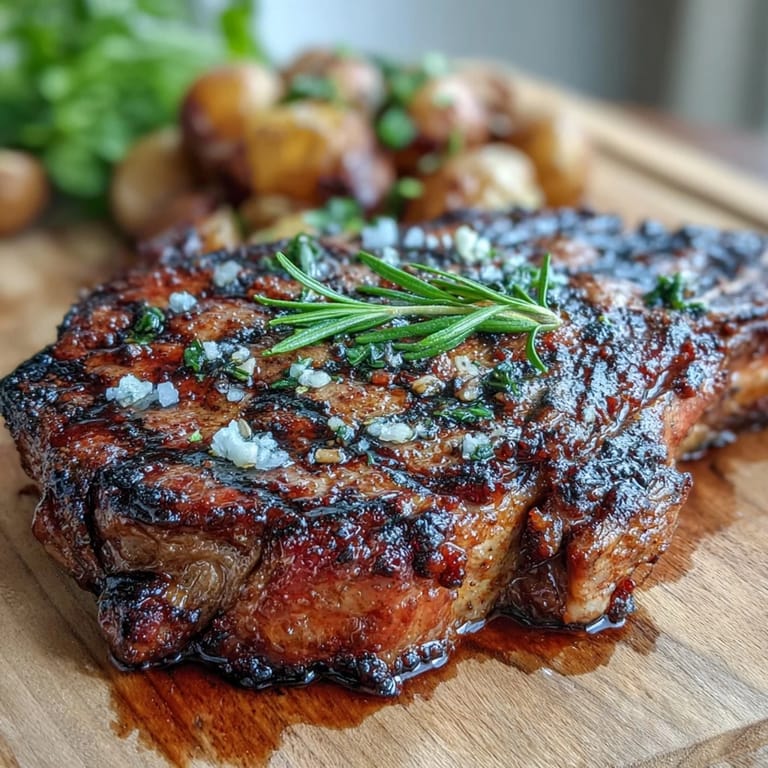
- Pull those steaks from the fridge thirty minutes early and pat them completely dry with paper towels, because water is the enemy of a good crust. Rub them generously with olive oil, then coat with salt and pepper like you mean it.
- Get your grill screaming hot:
- Preheat to 450 to 500°F, and you'll know it's ready when you can only hold your hand above the grates for a few seconds. Hot grill equals confidence.
- Sear those beauties:
- Lay the steaks down and listen to that initial sizzle, then top each one with a rosemary sprig and garlic clove. Grill for four to five minutes per side for medium-rare, resisting the urge to poke or flip them obsessively.
- Rest them properly:
- This step actually matters more than most people think, so tent the steaks loosely with foil for eight minutes while you finish everything else. All those juices redistribute instead of running onto the plate.
- Boil your potatoes on the side:
- While the steaks are resting, your halved baby potatoes should be bubbling away in salted water until a fork slides through easily, about ten to twelve minutes. Drain them, then immediately toss with butter and fresh parsley while they're still warm so everything sticks.
- Grill the asparagus in the final stretch:
- Toss the trimmed spears with olive oil, salt, and pepper, then lay them perpendicular to the grill grates for the last five minutes while the steaks rest. Turn them once so they get those beautiful char marks on both sides.
- Plate it all together:
- Arrange your rested steak in the center, lean the grilled asparagus against it, add a scoop of buttered potatoes, and serve with lemon wedges for squeezing. The whole plate should feel generous and intentional.
 Save Pin
 There's this moment about halfway through cooking when you realize everything is going to work out, and all your doubt just evaporates. That's when someone walks by the grill and their face changes because the smell hits them before their brain catches up.
Why Bone-In Matters
The bone acts like a built-in thermometer and heat conductor all at once, which sounds fancy but basically means your steak cooks more evenly and stays juicier than a boneless cut would. When you're grilling, that bone becomes your secret advantage because it holds moisture in and prevents the meat from drying out even if you accidentally leave it on the heat a minute too long. I've noticed that bone-in steaks forgive you slightly more than their boneless cousins, which is honestly why I always choose them when I'm feeding people I want to impress.
The Temperature Game
Medium-rare is that magical zone where the steak is still blushing pink in the middle but cooked enough that it holds together, and you can tell by touch once you've done it a few times. The trick I learned is to trust your grill temperature more than any timer, because every grill has personality and behaves a little differently. If you're nervous, grab a meat thermometer and pull the steaks off at 130°F internal temperature, then let them coast during the resting period as residual heat brings them to a perfect 135°F.
Making It Your Own
The beauty of this meal is that the steak itself is so good it doesn't need fussing, but the sides are where you can switch things up based on what's in season or what your guests actually like. I've swapped asparagus for green beans when someone mentioned they weren't an asparagus person, and I've replaced the potatoes with grilled corn when summer felt like it demanded something lighter. The core technique stays the same, but this recipe is flexible enough that it bends to your kitchen without breaking.
- Grill the potatoes directly instead of boiling them if you want more char and less butter involved.
- Add a compound butter with herbs on top of the rested steak to let it melt into all those crevices.
- Swap the rosemary and garlic for thyme and lemon if you want a brighter, Mediterranean vibe instead.
 Save Pin
 This meal sits somewhere between easy enough for a weeknight when you're feeling ambitious and impressive enough for people who actually know their way around a kitchen. Make it once and you'll understand why bone-in rib eyes earn their place at every celebration table.
Recipe FAQs
- → How do I know when the rib eye is cooked to medium-rare?
For medium-rare, grill the steak for 4-5 minutes per side at high heat. The internal temperature should reach 130-135°F. Use a meat thermometer for accuracy, and remember the steak will continue cooking slightly during the resting period.
- → Why is it important to let the steaks rest after grilling?
Resting allows the juices to redistribute throughout the meat rather than running out when you cut into it. Tent the steaks loosely with foil for 8 minutes to ensure maximum juiciness and tenderness.
- → Can I cook this indoors without a grill?
Yes, use a cast-iron grill pan or skillet over high heat. Sear the steaks for the same time, then finish in a 400°F oven if needed. The asparagus can be roasted in the oven at 425°F for 10-12 minutes.
- → What sides pair well with bone-in rib eye besides potatoes and asparagus?
Consider creamed spinach, sautéed mushrooms, grilled vegetables, Caesar salad, or roasted Brussels sprouts. A wedge salad or garlic bread also complement the rich flavors of the steak beautifully.
- → How thick should the rib eye steaks be for grilling?
Choose steaks that are 1.5 inches thick for optimal grilling. This thickness allows you to achieve a perfect crust on the outside while keeping the interior juicy and at your desired doneness level.
- → Can I prepare the sides ahead of time?
Yes, you can parboil the potatoes up to 2 hours ahead and keep them covered. Trim the asparagus in advance as well. Just finish both sides with their final cooking steps when the steaks are resting.