 Save Pin
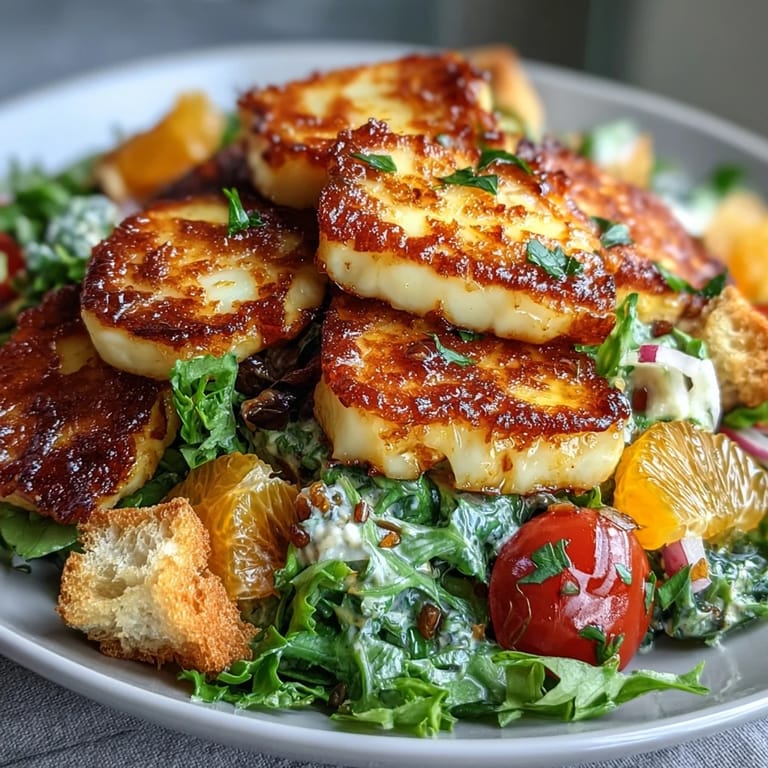
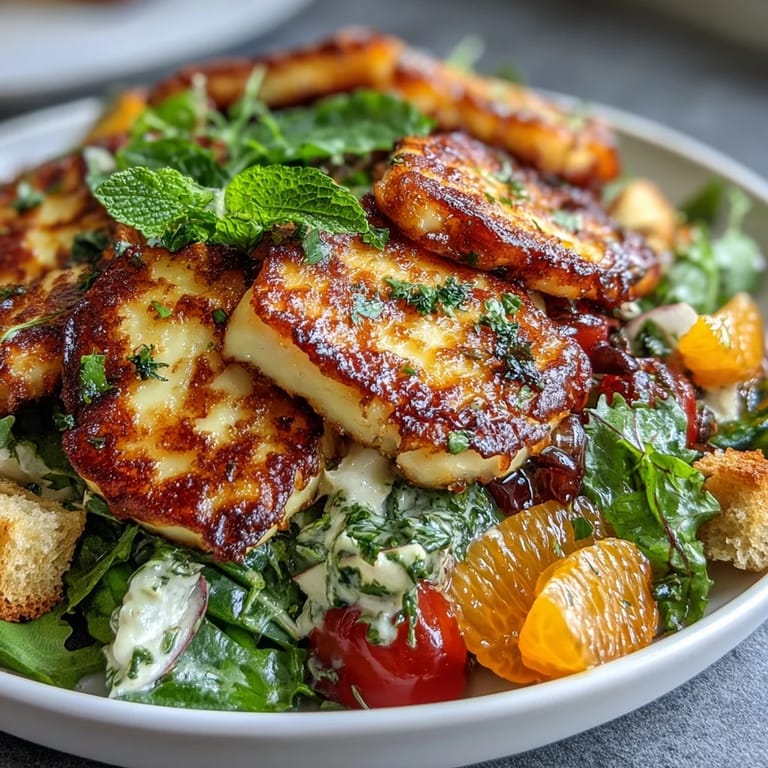
 The skillet was too hot, and I knew it the second the halloumi hit the pan with an angry sizzle. But instead of disaster, those slices turned a deep, blistered gold that tasted like butter and salt had a love child. I was trying to impress a friend who'd just come back from Beirut, and she laughed when I admitted I'd never actually been to the Middle East. She said the salad tasted like a sunny afternoon in a stone courtyard, which I took as a win. That night, I learned that sometimes a little kitchen chaos leads to the best meals.
I made this for a small birthday dinner on my balcony in late winter, when blood oranges were just starting to show up at the market. The sun was setting, and the salad glowed under string lights like something out of a travel magazine. My neighbor leaned over the railing and asked what smelled so good, and I ended up making it again the next week for her. She brought the wine, I brought the fattoush, and we sat there until the stars came out. Food has this way of turning strangers into friends.
Ingredients
- Halloumi cheese: This Cypriot cheese has a high melting point, so it fries beautifully without turning into a puddle, and that golden crust is pure magic.
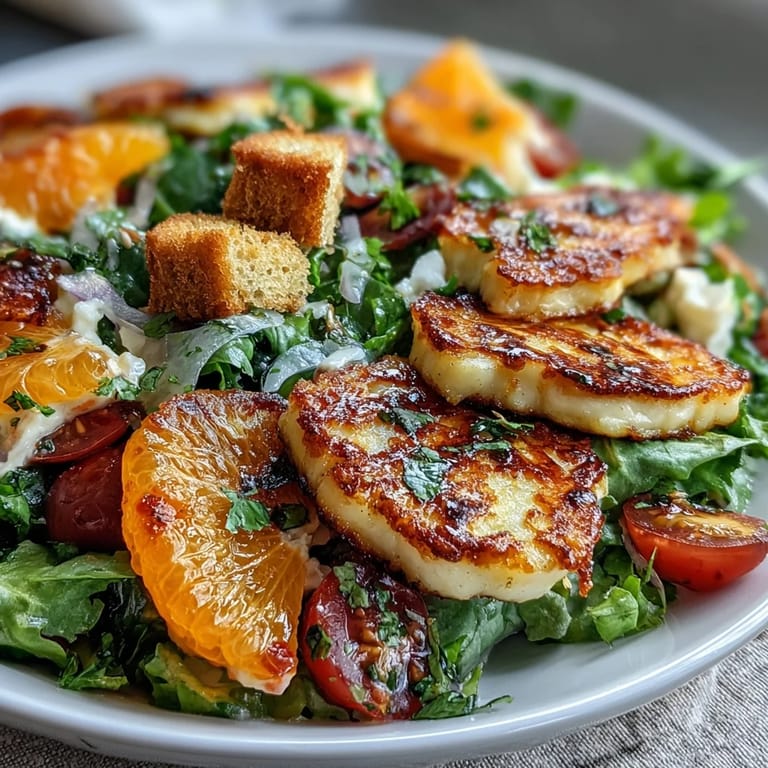
- Blood oranges: Their ruby color and sweet-tart juice make the salad look alive, but regular oranges work if you cant find them.
- Mixed salad greens: I like a mix of romaine for crunch, arugula for pepper, and fresh herbs like parsley and mint for brightness.
- Cucumber: Adds a cool, crisp contrast to the warm cheese, and I always leave the skin on for color and texture.
- Cherry tomatoes: These little guys burst with sweetness and juice when you bite into them.
- Red onion: Thinly sliced so it gives a sharp bite without overpowering the other flavors.
- Radishes: Their peppery crunch and pretty pink edges make every forkful interesting.
- Sourdough bread: The tangy flavor of sourdough holds up to the dressing and adds a satisfying chew.
- Olive oil: Use a good extra virgin for the dressing, it makes all the difference.
- Lemon juice: Freshly squeezed is brighter and more alive than bottled.
- Pomegranate molasses: This sticky, tangy syrup is the secret weapon that makes fattoush taste like fattoush.
- Sumac: A lemony, earthy spice that adds a gorgeous burgundy tint and a Middle Eastern soul to the dish.
Tired of Takeout? 🥡
Get 10 meals you can make faster than delivery arrives. Seriously.
One email. No spam. Unsubscribe anytime.
Instructions
- Toast the Croutons:
- Preheat your oven to 200°C (400°F) and toss those sourdough cubes with olive oil and a pinch of sea salt until theyre glistening. Spread them on a baking tray in a single layer and bake for 8 to 10 minutes, shaking the tray halfway through, until theyre golden and crunchy.
- Fry the Halloumi:
- Heat a non-stick skillet over medium heat, no oil needed, and lay the halloumi slices in gently. Let them sizzle for 2 to 3 minutes per side until theyre golden brown with crispy edges, then lift them onto a paper towel to drain.
- Prep the Salad Base:
- In a large bowl, toss together your greens, cucumber, cherry tomatoes, red onion, radishes, and those beautiful blood orange segments. Handle the oranges gently so they dont break apart and lose all their juice.
- Whisk the Dressing:
- In a small bowl, whisk together the olive oil, lemon juice, pomegranate molasses, sumac, black pepper, and salt until its smooth and emulsified. Taste it and adjust the salt or lemon if you want more punch.
- Assemble and Toss:
- Add the warm halloumi and cooled croutons to the salad bowl, drizzle the dressing over everything, and toss gently with your hands or tongs so every leaf gets coated. Serve it right away while the cheese is still warm and the croutons are crisp.
 Save Pin
 One evening, I brought this salad to a potluck where everyone else had made pasta or casseroles. It sat there looking almost too pretty to eat, and then someone took the first bite and the whole table went quiet for a second. By the end of the night, three people had asked for the recipe, and I realized that sometimes the simplest dishes are the ones people remember. It wasnt fancy, it was just honest and bright and made with care.
Choosing Your Greens
Ive learned that the greens make or break a fattoush, because they need to stand up to the dressing without wilting into sad little ribbons. Romaine gives you structure and crunch, arugula adds a peppery kick, and fresh herbs like parsley and mint bring that unmistakable Middle Eastern brightness. I once used only butter lettuce and it turned limp within minutes, so now I always include something sturdy. Dont skip the herbs, theyre not just garnish, theyre the heart of the salad.
Getting the Halloumi Right
The first time I fried halloumi, I was nervous it would melt or stick, but it held its shape like a champ and developed this incredible golden crust. The trick is a dry, preheated pan and patience, dont flip it too soon or youll miss that caramelized edge. If your cheese starts to weep liquid, it means it wasnt dry enough or the heat was too low. I like to slice it about a centimeter thick so it stays tender inside while the outside crisps up. Warm halloumi on a cold salad is one of lifes simple luxuries.
Make It Your Own
This salad is forgiving and loves improvisation, so dont be afraid to play around with whats in your fridge. Ive added toasted pistachios for crunch, swapped blood oranges for pink grapefruit when they were out of season, and even thrown in leftover roasted beets for extra color. Pomegranate seeds are a stunning garnish and add little bursts of tartness that make each bite feel festive. If you want more protein, grilled chicken or chickpeas fit right in without changing the vibe.
- Try adding a handful of toasted nuts like walnuts or almonds for extra richness.
- A drizzle of tahini thinned with lemon juice makes a creamy alternative dressing.
- Serve it alongside grilled lamb or fish for a fuller meal that still feels light.
 Save Pin
 This salad has become my go-to whenever I want to feel like Im hosting a dinner party, even if its just me and a Tuesday night. It reminds me that cooking doesnt have to be complicated to be memorable, it just has to be made with a little love and good ingredients.
Recipe FAQs
- → What makes fattoush different from regular salad?
Fattoush is a Middle Eastern salad characterized by crispy fried or toasted bread pieces. Unlike standard salads, the bread soaks up the tangy sumac dressing while maintaining crunch, creating unique texture and depth.
- → Can I prepare the components ahead of time?
Yes, you can prepare the dressing, chop vegetables, segment oranges, and make croutons up to 4 hours ahead. Store separately in the refrigerator. Fry the halloumi just before serving for optimal texture and warmth.
- → What can I use instead of blood oranges?
Regular oranges, pink grapefruit, or even Cara Cara oranges work beautifully as substitutes. The goal is bright citrus contrast against the salty halloumi. Adjust quantity slightly based on fruit sweetness.
- → How do I prevent halloumi from becoming rubbery?
Use medium-high heat and avoid overcrowding the pan. Fry just 2-3 minutes per side until golden brown. Don't overcook—halloumi should be melted inside with a crisp exterior. Drain briefly on paper towels.
- → What can I substitute for pomegranate molasses?
Equal parts balsamic vinegar mixed with a touch of maple syrup or honey creates a similar sweet-tart depth. Alternatively, use extra lemon juice with a pinch of sugar, though you'll lose the distinctive fruity note.
- → Is this suitable for gluten-free diets?
Not as written due to sourdough croutons. Substitute with gluten-free bread cubes or simply add extra crunch with toasted nuts like pistachios or walnuts. Halloumi is naturally gluten-free.