 Save Pin
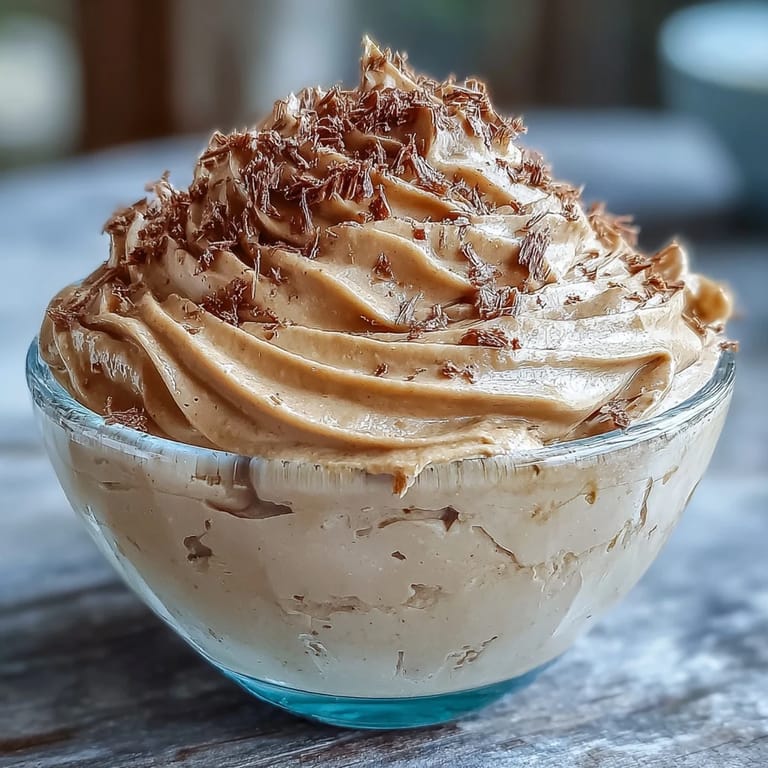
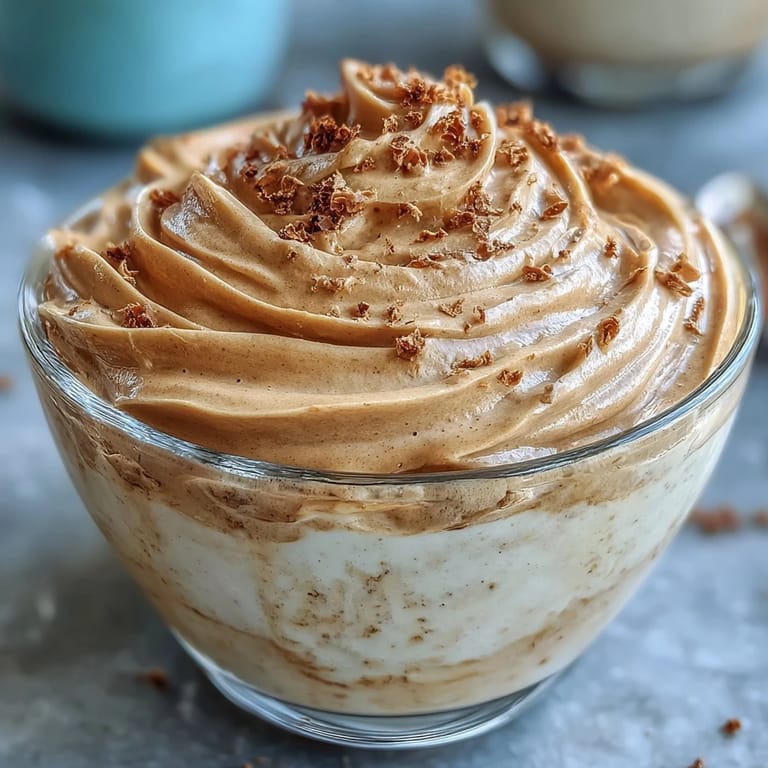
 Discover the elegance of Japanese tea culture with this refined Hojicha Mousse. Unlike traditional mousses that rely on heavy cream, this version uses whipped egg whites to achieve a light, airy texture that allows the deep, roasted notes of the tea to truly shine. It is a sophisticated dessert that balances earthy flavors with a delicate sweetness.
Save Pin The process of creating this mousse begins by infusing milk with high-quality hojicha leaves, ensuring every spoonful is packed with aromatic tea flavor. By thickening the base with egg yolks and stabilizing it with gelatin, you create a silky foundation for the fluffy egg whites.
Ingredients
Tired of Takeout? 🥡
Get 10 meals you can make faster than delivery arrives. Seriously.
One email. No spam. Unsubscribe anytime.
- 2 tablespoons hojicha tea leaves
- 200 ml whole milk
- 3 large eggs, separated
- 60 g granulated sugar
- 1 teaspoon vanilla extract
- 1 tablespoon cornstarch
- 2 teaspoons powdered gelatin
- 2 tablespoons cold water
- Toasted hojicha tea leaves or cocoa nibs (optional garnish)
Instructions
- Step 1
- Gently heat the milk in a small saucepan until steaming. Add hojicha tea leaves, cover, and steep for 10 minutes. Strain to remove leaves and set aside the infused milk to cool slightly.
- Step 2
- Sprinkle gelatin over cold water in a small bowl. Let bloom for 5 minutes.
- Step 3
- In a heatproof bowl, whisk together egg yolks, 30 g sugar, and cornstarch until pale. Slowly whisk in the warm hojicha milk.
- Step 4
- Place the bowl over a pot of simmering water (bain-marie) and whisk constantly until the mixture thickens and coats the back of a spoon, about 3–5 minutes. Remove from heat.
- Step 5
- Stir the bloomed gelatin into the hot mixture until dissolved completely. Mix in vanilla extract. Allow to cool to room temperature, stirring occasionally.
- Step 6
- In a clean bowl, beat egg whites until soft peaks form. Gradually add remaining 30 g sugar and continue to beat until glossy stiff peaks form.
- Step 7
- Gently fold the egg whites into the cooled hojicha mixture in thirds, being careful not to deflate the mousse.
- Step 8
- Spoon the mixture into serving glasses or ramekins. Chill for at least 2 hours, or until set.
- Step 9
- Garnish with toasted hojicha tea leaves or cocoa nibs before serving, if desired.
Zusatztipps für die Zubereitung
To achieve the most velvety texture, ensure the hojicha is finely sieved before mixing it into the custard. This ensures no stray tea fragments interrupt the smoothness of the mousse. Stir the cooling mixture occasionally to prevent a skin from forming before you fold in the egg whites.
Varianten und Anpassungen
This recipe can easily be adapted for a dairy-free diet. Simply substitute the whole milk with a creamy plant-based alternative such as oat milk or almond milk, which both pair exceptionally well with the roasted notes of the tea leaves.
Serviervorschläge
For a beautiful presentation and a burst of brightness, serve the mousse with a side of fresh berries. This dessert also pairs wonderfully with a light, floral sake or a steaming cup of traditional green tea to round out the Japanese-inspired experience.
 Save Pin
 Whether you are a tea connoisseur or simply looking for a light end to a heavy meal, this Hojicha Mousse provides a unique and satisfying flavor profile that is sure to impress. Enjoy the subtle complexity of roasted tea in every fluffy bite.
Recipe FAQs
- → What makes hojicha different from regular green tea?
Hojicha is roasted green tea leaves that develop deep caramel, nutty notes with lower caffeine content than traditional green tea. The roasting process creates a reddish-brown brew with mellow, toasty flavor that pairs beautifully with creamy desserts.
- → Can I make this mousse ahead of time?
Absolutely. This mousse actually benefits from resting overnight as flavors develop. Prepare up to 24 hours in advance, cover tightly with plastic wrap touching surface to prevent skin formation, and chill until ready to serve.
- → What can I use instead of gelatin?
For vegetarian alternatives, substitute with agar-agar powder using half the specified amount. Dissolve in boiling liquid before incorporating. Note that texture may be slightly firmer than gelatin-based mousse.
- → Why separate eggs instead of whipping cream?
Separating eggs creates lighter texture while maintaining structure. Whipped egg whites incorporate air for fluffiness, while yolks provide richness. This technique yields delicate mousse without heavy cream's density.
- → How do I know when the custard base is thick enough?
The mixture is ready when it coats the back of wooden spoon and leaves clear trail when you drag finger through it. This typically takes 3-5 minutes over gentle heat. Avoid overheating or eggs may scramble.
- → What garnishes work well with hojicha mousse?
Toasted hojicha leaves, cocoa nibs, matcha powder, or white chocolate shavings complement the roasted flavors. Fresh berries like raspberries or blackberries provide bright contrast. Edible flowers add elegant touch.