 Save Pin
 My neighbor brought me a fillet of sea bass from the harbor one Saturday morning, still cold from the ice chest. I had a box of spaghetti in the pantry and half a bag of lemons on the counter. What started as an improvised lunch turned into something I've been making ever since. The brightness of the lemon with the buttery richness of the fish just worked, no fuss, no overthinking.
I made this for my sister's birthday dinner last spring and she kept asking what the secret was. There wasn't one, just good fish, lots of lemon, and pasta water to tie it all together. She said it tasted like something she'd order at a seaside cafe in Italy. I didn't tell her I was winging it the first time I tried it.
Ingredients
- White fish fillets: Sea bass is my favorite for its mild sweetness, but cod or halibut work beautifully too and are often easier to find.
- Spaghetti or linguine: The long strands catch the lemony butter sauce better than short shapes, and they twirl nicely on the fork.
- Lemons: You need three total, one for the fish and two for the pasta, and make sure they're juicy because the whole dish hinges on that bright citrus punch.
- Garlic: Mince it fine so it melts into the butter without burning, which happens faster than you think.
- Parmesan cheese: A little goes a long way here, adding a salty, nutty backbone without overpowering the lemon.
- Fresh parsley: This isn't just garnish, it adds a grassy freshness that balances the richness of the butter.
- Pasta water: The starchy liquid is what turns the butter and lemon juice into an actual sauce that clings to every strand.
Tired of Takeout? 🥡
Get 10 meals you can make faster than delivery arrives. Seriously.
One email. No spam. Unsubscribe anytime.
Instructions
- Boil the pasta:
- Get your water boiling with enough salt that it tastes like the ocean, then cook the pasta until it still has a little bite. Don't forget to scoop out that half cup of pasta water before you drain, it's your insurance policy for a silky sauce.
- Prep the fish:
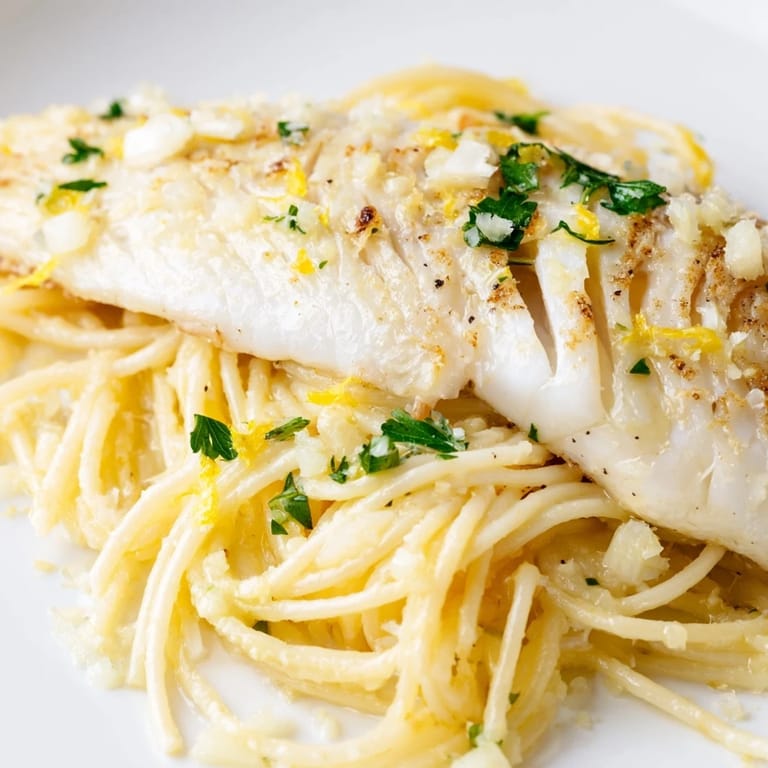
- Pat those fillets completely dry with a paper towel so they'll get a nice sear, then rub them with olive oil, salt, pepper, and lemon zest. The zest sticks to the fish and gives you little bursts of flavor in every bite.
- Grill the fish:
- Lay the fillets on a hot grill pan and resist the urge to move them around, let them cook undisturbed for three to four minutes per side. They'll release easily when they're ready, and you'll see the edges turn opaque and flaky.
- Start the sauce:
- Melt the butter and olive oil together in a big skillet over medium heat, then add the garlic and stir it gently for about a minute. You want it fragrant and soft, not browned or bitter.
- Add lemon and pasta:
- Stir in the lemon zest and juice, then toss in the drained pasta and start adding that reserved pasta water a little at a time. The sauce should coat the noodles and look glossy, not dry or pooling at the bottom of the pan.
- Finish and serve:
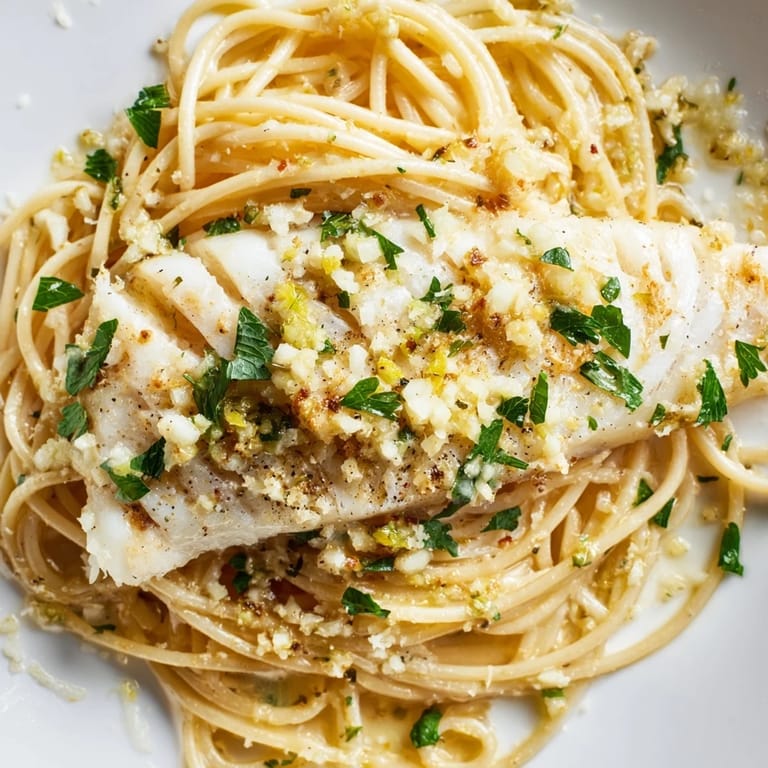
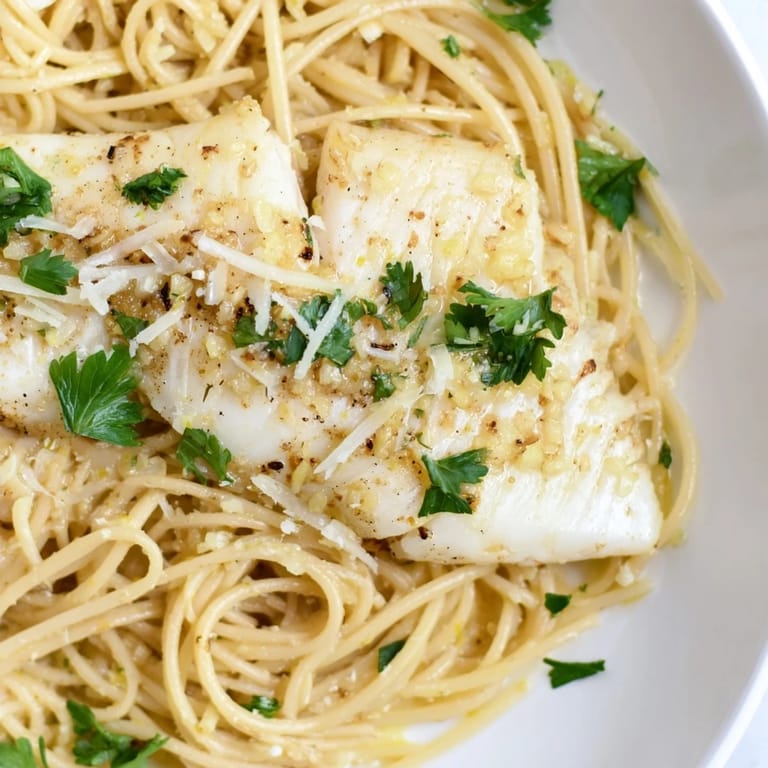
- Toss in the parsley and Parmesan, taste it, adjust the salt and pepper, then twirl the pasta onto plates. Top each serving with a grilled fish fillet, a wedge of lemon, and maybe a little extra parsley if you're feeling generous.
 Save Pin
 One night I served this to a friend who said she didn't like fish, and she went back for seconds. She told me later it was the lemon and the way the pasta didn't feel heavy that changed her mind. Sometimes the simplest things are the ones that surprise people the most.
Choosing Your Fish
Sea bass is buttery and mild, but it can be pricey depending on where you live. Cod is a solid substitute, firmer and just as clean tasting, and halibut works if you want something a little meatier. I've even used tilapia in a pinch and it turned out fine, though it's more delicate and can fall apart if you're not gentle. Whatever you pick, just make sure it's fresh, the smell should be clean and ocean like, not fishy.
Getting the Sauce Right
The key is emulsifying the butter, oil, lemon juice, and pasta water so they blend into a smooth coating instead of separating into puddles. Add the pasta water gradually while tossing the noodles, the starch in the water acts like glue. If it looks too thick, add more water, if it's too thin, let it simmer for a minute to thicken up. You want it to cling to the pasta like a glossy veil, not a soup.
Serving and Pairing
This dish is best served immediately while the pasta is hot and the fish is still warm from the grill. I like to put a big platter in the center of the table and let people help themselves, it feels more relaxed that way. A crisp white wine like Sauvignon Blanc or Pinot Grigio cuts through the richness beautifully, and a simple green salad on the side is all you need.
- Add a pinch of red pepper flakes to the garlic if you like a little heat.
- Swap the parsley for fresh basil or dill if that's what you have on hand.
- For a gluten free version, use your favorite gluten free pasta and follow the same steps.
 Save Pin
 This is one of those recipes that feels special but doesn't demand perfection, just good ingredients and a little attention. I hope it becomes one of your easy go to dinners, the kind you make when you want something bright and satisfying without spending all night in the kitchen.
Recipe FAQs
- → What type of white fish works best for this dish?
Sea bass and cod are excellent choices due to their mild, delicate flavor and firm texture. Other suitable options include halibut, flounder, or branzino. Choose fresh, skinless fillets approximately 6 ounces each for consistent cooking.
- → Can I prepare this dish without a grill?
Absolutely. Pan-sear the fish fillets in a preheated skillet with olive oil over medium-high heat for 3-4 minutes per side until opaque. Alternatively, bake at 400°F for 12-15 minutes. Both methods yield tender, flaky results.
- → How do I achieve the perfect al dente pasta?
Follow the pasta package instructions but check for doneness 1-2 minutes before the suggested time. The pasta should be tender yet still have a slight firmness when bitten. Reserve pasta water before draining to adjust sauce consistency.
- → What wine pairs well with this dish?
Crisp white wines complement the bright lemon flavors beautifully. Sauvignon Blanc, Pinot Grigio, and Vermentino are excellent choices. Their acidity cuts through the richness of the butter sauce while enhancing the fresh citrus notes.
- → How can I modify this for dietary restrictions?
For dairy-free, substitute plant-based butter and omit Parmesan. For gluten-free, use gluten-free pasta. The fish remains naturally dairy-free and gluten-free, making this adaptable to various dietary needs. Always verify ingredient labels for hidden allergens.
- → Can I add heat to this dish?
Yes, sprinkle red pepper flakes into the butter-oil mixture before adding garlic, or finish the plated dish with a pinch. Start with 1/4 teaspoon and adjust to taste. Fresh red chili also works well as a garnish.