 Save Pin
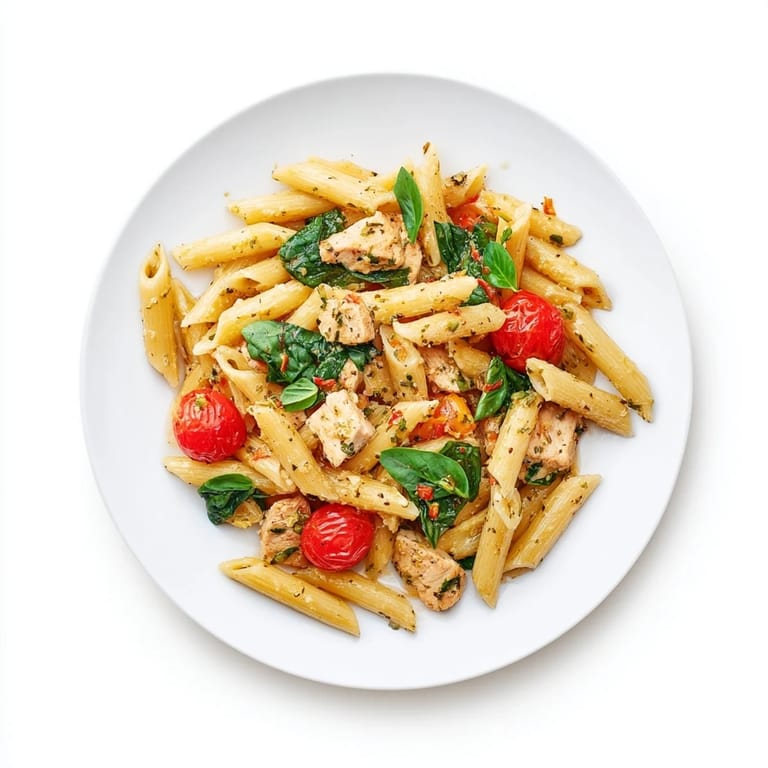
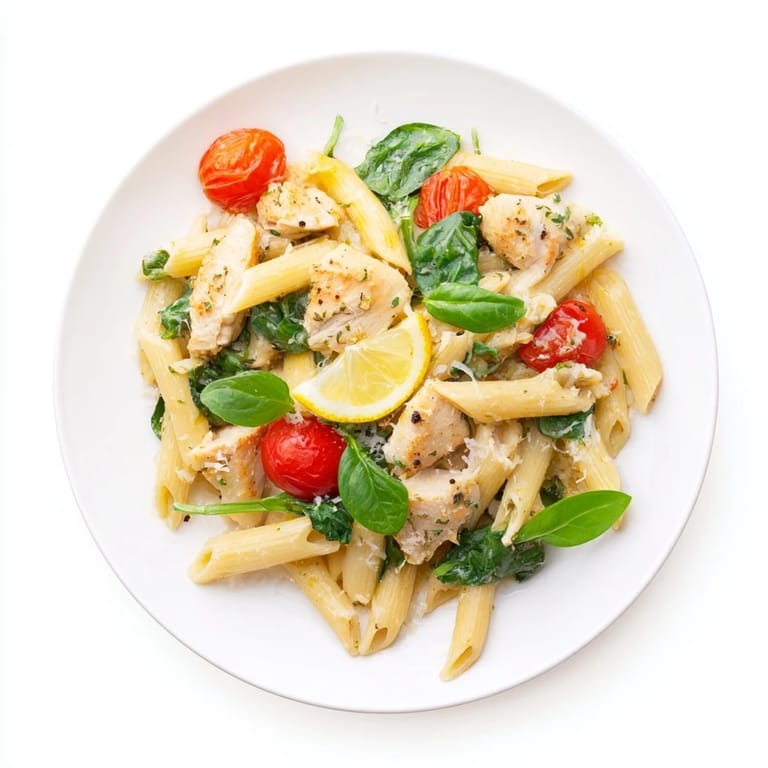
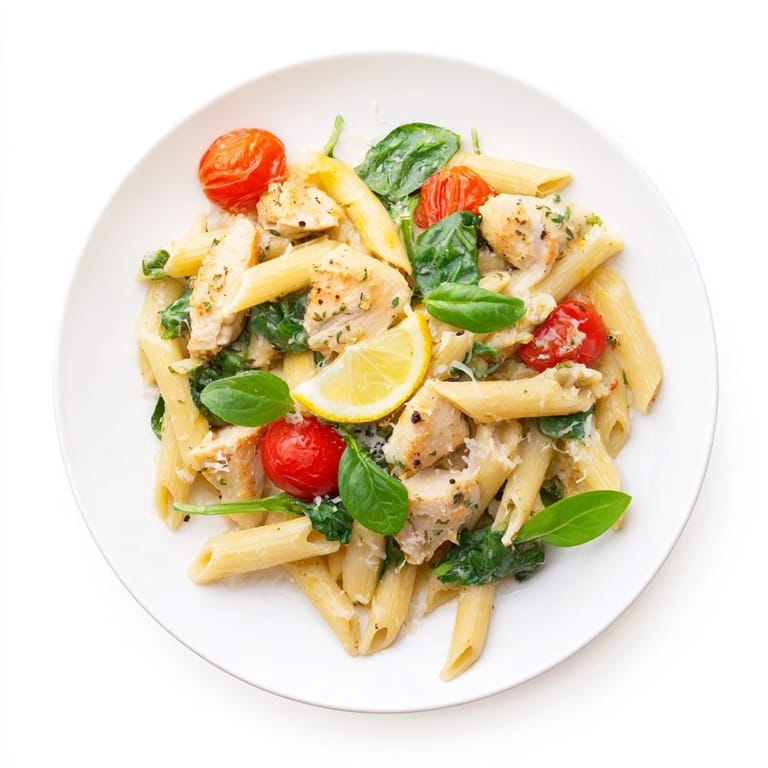
 The first time I made this one-pan pasta, my roommate stood in the kitchen doorway watching me dump raw noodles into simmering broth like I had completely lost my mind. Twenty minutes later, we were both fighting over the last spoonful, and she quietly asked if I could make it again the next day. Something about the way the starch thickens the sauce right in the pan creates this velvety coating that restaurant kitchens try to achieve through hours of reduction.
Last winter, my sister came over completely drained from a hellish week at work. I set this pasta down in front of her without saying much, and after the first bite she actually closed her eyes and let out this tiny sound. Food cannot fix everything, but watching someone sink into a meal that hits all the right notes, that moment of pure comfort, that is something real.
Ingredients
- Chicken breasts: Cutting them into bite-sized pieces before cooking means every forkful has meat, and the smaller pieces stay tender instead of drying out
- Penne or fusilli pasta: The ridges and curves catch all that herby sauce, plus short pasta cooks more evenly in broth than long strands
- Olive oil: This creates your foundation of flavor, so use something you actually like the taste of
- Garlic and onion: These aromatics build the savory base that makes the final dish taste layered and complete
- Lemon: Both zest and juice are essential here, the zest gives fragrant oil-soluble flavor while the juice provides bright acidity
- Cherry tomatoes: They burst slightly as they cook, releasing sweet juices that balance the lemon and cheese
- Baby spinach: Added at the very end so it just wilts, keeping its fresh flavor and vibrant color
- Fresh parsley and basil: These herbs finish the dish with brightness that dried herbs cannot replicate
- Dried oregano and thyme: These earthy herbs develop during cooking, creating depth in the sauce
- Chicken broth: This becomes your cooking liquid for the pasta, so low-sodium lets you control the salt level
- Parmesan cheese: Freshly grated melts better and lends a nutty richness that ties everything together
- Salt and pepper: Season at each stage, not just at the end, to build layers of flavor
Tired of Takeout? 🥡
Get 10 meals you can make faster than delivery arrives. Seriously.
One email. No spam. Unsubscribe anytime.
Instructions
- Sear the chicken:
- Heat olive oil in a large deep skillet over medium-high heat, add seasoned chicken pieces, and cook 3 to 4 minutes until lightly browned but still pink inside. Remove to a plate and reserve the rendered fat in the pan.
- Build your aromatics:
- Add onion and garlic to the same pan, sautéing 2 minutes until fragrant and translucent, being careful not to burn the garlic.
- Start the pasta:
- Add uncooked pasta, chicken broth, lemon zest, lemon juice, oregano, and thyme. Stir everything together, bring to a boil, then reduce heat to medium-low and cover.
- Simmer partially covered:
- Cook covered for 8 minutes, stirring occasionally to prevent sticking, until the pasta begins to soften and the liquid starts to thicken.
- Combine and finish cooking:
- Return chicken to the pan with cherry tomatoes and cook uncovered 7 to 8 more minutes, until pasta is al dente and most liquid has been absorbed into a silky sauce.
- Add the finishing touches:
- Stir in spinach, parsley, basil, and Parmesan, cooking 1 to 2 minutes until spinach wilts and cheese melts into the sauce.
- Taste and adjust:
- This is your moment to add more salt, pepper, or lemon juice until the flavors pop exactly the way you want them.
 Save Pin
  Save Pin
 My friend Sarah, who claims she cannot cook anything, made this for her new boyfriend after I gave her the recipe. She called me the next morning absolutely thrilled that she had pulled off something impressive without stress. That is the thing about this dish, it looks and tastes complicated but it is actually quite forgiving.
Choosing Your Pasta Shape
I have found that shorter pasta with ridges or tubes works best here because the sauce gets trapped inside every piece. Penne is my go-to choice, but fusilli catches even more sauce in its spirals. Long pasta like spaghetti can work, but you will need to break it in half and it tends to clump together more during cooking.
Making It Your Own
This recipe adapts beautifully to whatever you have in the refrigerator or need to avoid. Sometimes I use half chicken broth and half white wine for extra depth, or swap in heavy cream at the end for a richer version. The framework is solid enough that you can play with it.
Perfecting The Technique
The magic of one-pan pasta happens when starch releases into the cooking liquid and creates that restaurant-style sauce. You want to stir occasionally during simmering, especially at first, to prevent anything from sticking to the bottom. If the pan looks too dry before the pasta is done, add just a splash more broth.
- Let the dish rest 5 minutes before serving to let the sauce thicken slightly
- Have your ingredients prepped before you start cooking, everything moves fast once the pan is hot
- Save some extra Parmesan for the table because everyone will want more
 Save Pin
  Save Pin
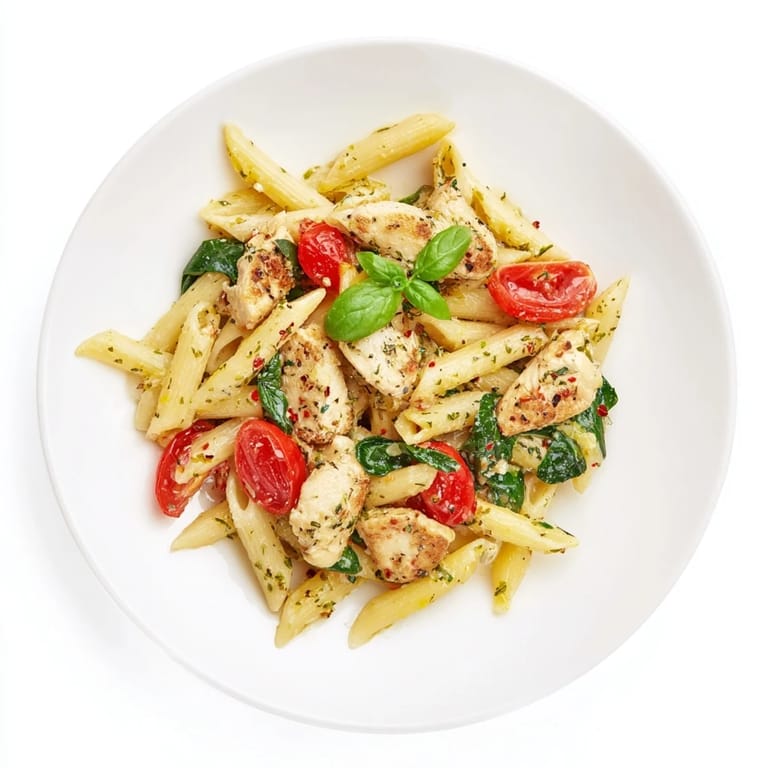
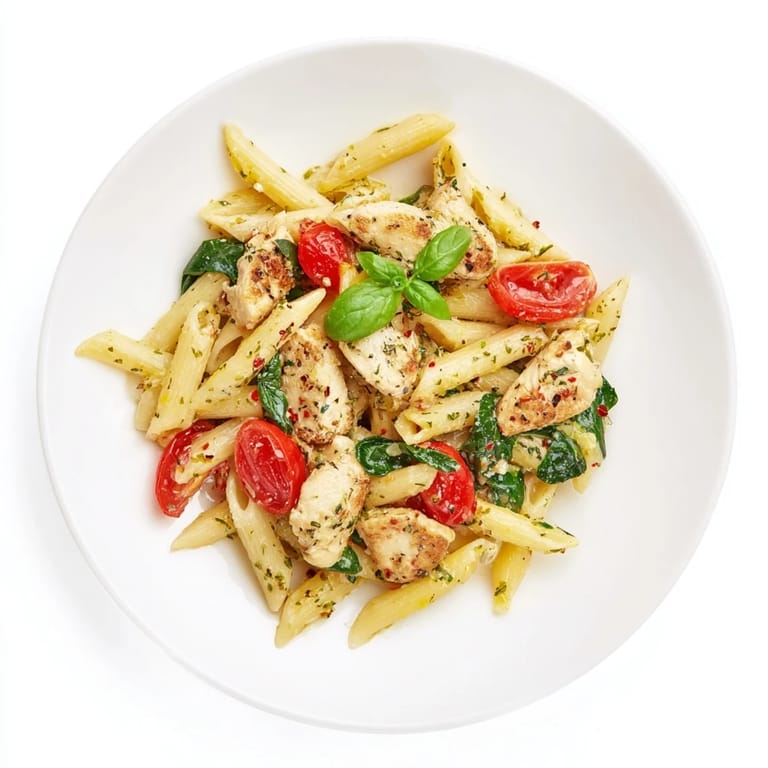
 Good food shared with people you care about, that is what matters most in the end. This pasta has become my standby for those nights when comfort is needed but I still want something that feels intentional and bright.
Recipe FAQs
- → Can I use different pasta shapes?
Yes, penne and fusilli work best because their shapes hold sauce well, but rigatoni, farfalle, or macaroni are excellent alternatives. Just adjust cooking time as needed since different shapes may require slightly more or less liquid.
- → How do I store leftovers?
Store cooled portions in an airtight container in the refrigerator for up to 3 days. The pasta will continue absorbing liquid, so add a splash of chicken broth or water when reheating to restore creaminess.
- → Can I make this gluten-free?
Absolutely. Substitute the regular penne with your favorite gluten-free pasta. Brown rice or chickpea-based shapes work particularly well. You may need to adjust the broth amount slightly, so check doneness early.
- → What can I use instead of chicken?
Turkey breast cutlets, boneless chicken thighs, or even firm tofu work beautifully. For a seafood version, try shrimp or cubed white fish, adding them during the last 5 minutes of cooking to prevent overcooking.
- → Why add lemon at different stages?
Adding lemon zest early infuses the broth and pasta with bright citrus flavor, while fresh lemon juice at the end provides acidity that balances the rich Parmesan and enhances all the Mediterranean herbs.