 Save Pin
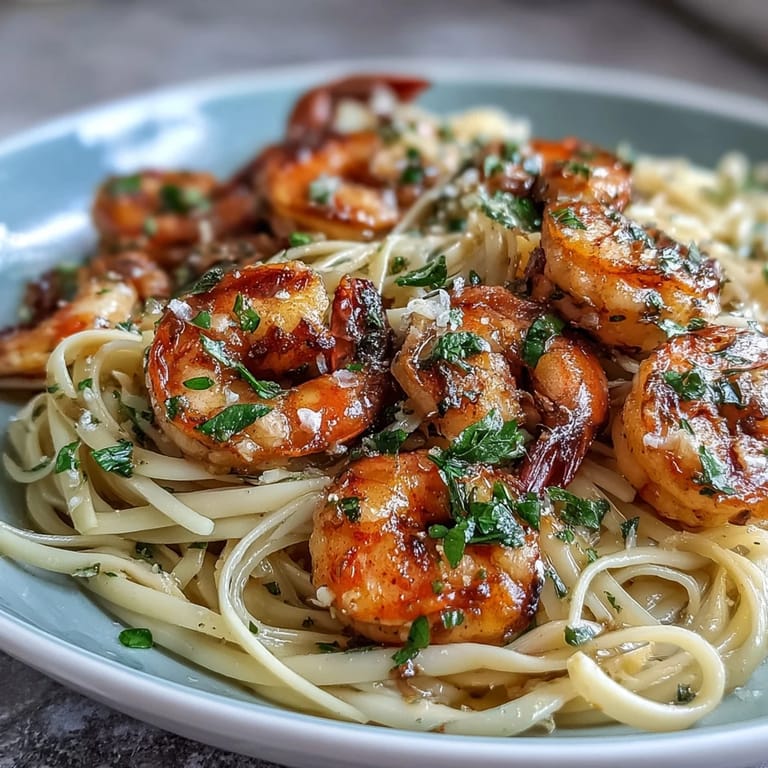
 There's something about the smell of garlic hitting hot butter that makes everything stop. I was standing in my kitchen on a random Tuesday evening, and that exact moment—when the pan smelled like a Roman trattoria—is when I decided shrimp scampi needed to become a regular thing at my table. It's one of those dishes that feels fancy enough to impress but honest enough to make on a weeknight without stress. The whole thing comes together in thirty minutes, and somehow it tastes like you spent hours on it.
I made this for my partner on our anniversary last spring, and I remember being nervous about the shrimp cooking too long—I've botched that part before and ended up with rubbery little curls. But something clicked that night: I actually watched them, didn't walk away checking my phone, and pulled them off the heat just as they blushed pink. They came back to the pan for the final toss, still tender, and I realized that's the secret nobody tells you. It turned into one of those meals we still talk about, not because it was complicated, but because it was perfect.
Ingredients
- Large shrimp (1 pound, peeled and deveined): Look for shrimp that still smell like the ocean, not ammonia—that's your sign they're fresh. Pat them completely dry before cooking; any moisture will steam them instead of searing them.
- Linguine (12 ounces): Don't skip the al dente part; you want just a tiny bit of resistance when you bite it because the pasta will soften slightly when it hits the sauce.
- Unsalted butter (4 tablespoons) and extra-virgin olive oil (3 tablespoons): The combination gives you richness from the butter and a fruity note from good olive oil—use the kind you'd drizzle on bread.
- Garlic (5 cloves, finely minced): Mincing by hand, not a food processor, gives you better control and prevents the tiny pieces from burning into bitter specks.
- Red pepper flakes (1/4 teaspoon, optional): A whisper of heat makes the lemon and garlic sing, but leave them out if you prefer your scampi gentle.
- Dry white wine (1/2 cup): Something you'd actually drink—not cooking wine from the back of a cabinet that tastes like sadness.
- Lemon zest and juice: The zest goes in at the end to keep it bright; fresh squeezed juice matters here because bottled tastes hollow.
- Fresh parsley (1/4 cup, chopped): This isn't just a garnish; it's the final note that makes everything feel Mediterranean and alive.
Tired of Takeout? 🥡
Get 10 meals you can make faster than delivery arrives. Seriously.
One email. No spam. Unsubscribe anytime.
Instructions
- Get your pasta going:
- Bring a big pot of salted water to a rolling boil and slide in the linguine, stirring so it doesn't stick to itself. Cook it to that perfect al dente state according to the package, usually around nine or ten minutes, then fish out half a cup of the starchy water before draining—that's your secret weapon for a silky sauce.
- Prep the shrimp like you mean it:
- Pat each shrimp dry with paper towels; this is non-negotiable if you want them to sear instead of steam. A light sprinkle of salt and pepper is all they need at this stage.
- Build your flavor base:
- In a large skillet over medium heat, let two tablespoons of butter and two tablespoons of olive oil get friendly together, then add your minced garlic and those red pepper flakes if you're using them. You want the kitchen to smell incredible after about a minute, but watch carefully so nothing browns—garlic burns faster than you'd think.
- Sear the shrimp until they blush:
- Lay them in a single layer in that fragrant oil, and resist the urge to fuss with them; one to two minutes per side is all they need to turn from translucent to just opaque and pink. The moment they look cooked through, move them to a clean plate and don't second-guess yourself.
- Make the sauce come alive:
- Pour that white wine into the pan and watch it sizzle, scraping the bottom with a wooden spoon to catch all those golden, flavorful bits stuck to the pan. Add the lemon juice and let it simmer for two or three minutes until the wine reduces and mellows slightly, then whisk in the remaining butter and olive oil until everything turns silky and glossy.
- Bring it all together:
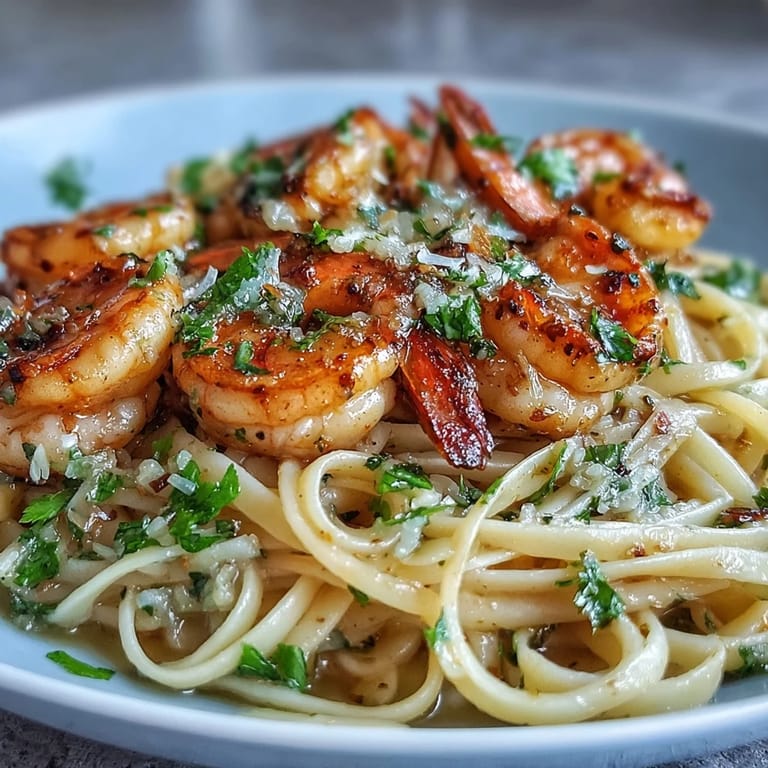
- Return the shrimp and any juices to the pan, scatter in the lemon zest and half the parsley, then add the drained linguine and toss everything until every strand is coated in that golden sauce. If it looks too thick, splash in a little pasta water, a bit at a time, until it's creamy without being soupy—taste it now and adjust the salt and pepper to your preference.
- Serve like you mean it:
- Transfer to bowls or plates while everything's still hot, top with the remaining fresh parsley, and set out those lemon wedges so people can squeeze them over if they want an extra brightness.
 Save Pin
 My mom tasted this one night and said it reminded her of a restaurant in Venice she'd been to forty years ago. I hadn't intended to recreate a memory for her, but suddenly the dish meant something bigger than just dinner. That's when cooking stopped being about following steps and became about opening a door to somewhere else, somewhere she'd been happy.
The Magic of Timing
Shrimp scampi teaches you something crucial: a great dish isn't about complicated technique, it's about respecting the ingredients enough to not overcook them. Everything happens quickly once you start, so read through the whole recipe once before you begin. Have your ingredients prepped and within arm's reach—minced garlic, squeezed lemon juice, fresh parsley all ready to go—so you're never scrambling while something's sizzling in the pan.
Wine Matters More Than You'd Think
Don't reach for the cheapest bottle of white wine you can find; something inexpensive but drinkable makes a real difference in the sauce. The wine reduces down and concentrates, so any off-flavors get stronger, not weaker. I learned this the hard way by being stingy once, and the result tasted thin and one-dimensional. A crisp Pinot Grigio, Sauvignon Blanc, or even a decent Vermentino transforms that sauce into something worth savoring.
Variations That Feel Natural
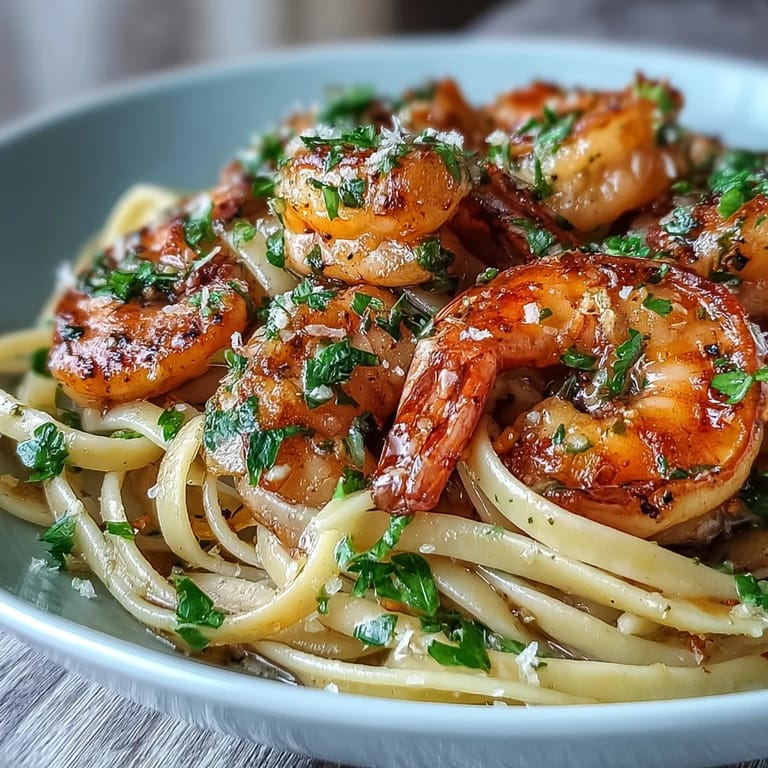
This dish is forgiving enough to bend without breaking. If you're not in a shellfish mood, you can swap the shrimp for firm white fish cut into chunks or even chicken breast pounded thin and sliced. Cherry tomatoes halved and added partway through cooking bring a burst of acidity and color that plays beautifully with the lemon. Some people finish with a tiny pinch of nutmeg or a handful of capers, and honestly, it all works because the foundation is so solid.
- Spaghetti or fettuccine work just as well as linguine if that's what's in your pantry.
- A handful of spinach or arugula tossed in at the very end adds freshness without changing the character of the dish.
- If you want richness, finish with a tablespoon of mascarpone whisked into the warm sauce for an extra silky texture.
 Save Pin
 There's a reason this dish has lasted through decades and across continents—it's honest, it's quick, and it tastes like care. Make this for someone you want to impress or just for yourself on a night when you deserve something better.
Recipe FAQs
- → What type of shrimp works best for scampi?
Large shrimp (16-20 count per pound) are ideal as they stay tender and juicy during quick sautéing. Always use peeled and deveined shrimp for convenience and better sauce absorption.
- → Can I substitute the white wine?
Yes, you can use chicken or vegetable broth with an extra tablespoon of lemon juice. However, dry white wine adds depth and acidity that truly elevates the sauce.
- → How do I prevent the garlic from burning?
Keep the heat at medium and sauté the garlic for only 1 minute until fragrant. The butter and oil mixture helps regulate temperature, but watch carefully as burnt garlic turns bitter.
- → Why reserve pasta water?
The starchy pasta water helps emulsify the sauce, creating a silky coating that clings to the linguine. Add it gradually if your sauce seems too thick or dry.
- → Can this dish be made ahead?
Scampi is best served immediately for optimal texture. However, you can prep ingredients in advance and cook just before serving. Reheating tends to overcook the shrimp.
- → What pasta alternatives work well?
Spaghetti, fettuccine, or angel hair pasta are excellent substitutes. Choose long pasta shapes that twirl easily and capture the buttery sauce between strands.