 Save Pin
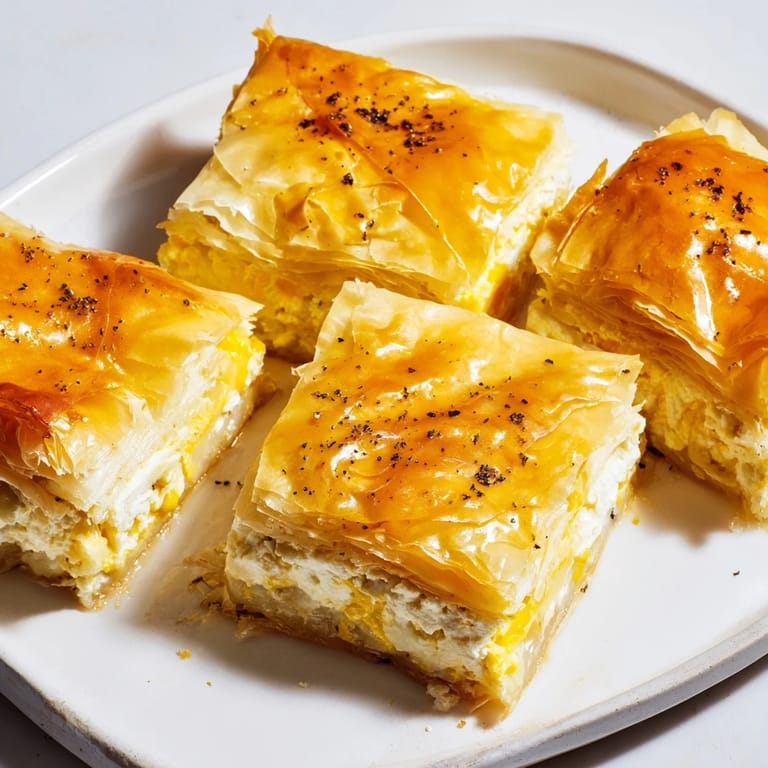
 The first time I truly understood what gibanica meant, I was standing in my grandmother's kitchen in Belgrade, watching her pull a golden rectangle from the oven with the kind of practiced ease that comes from decades of repetition. The phyllo was crackling so loudly it sounded like tiny applause, and the smell hit me all at once—tangy feta, warm eggs, and something almost sweet from the oil and sparkling water that made the filling impossibly light. She cut it into diamonds without measuring, just knowing by feel where each slice should go, and I realized this dish wasn't just about feeding people; it was about telling them they mattered enough for this much care.
I made this for my neighbor one Tuesday afternoon when she'd mentioned offhandedly that she missed the taste of her childhood, and watching her face when she bit into that first square—eyes closing, that small satisfied sigh—suddenly the whole point of cooking became clear to me. She came back the next day asking if I could teach her, and standing there showing her how much pressure to use with the brush so the phyllo doesn't tear, I understood that recipes are really just an excuse to pass something meaningful between people.
Ingredients
- Cottage cheese (300 g): The base that keeps everything tender and slightly tangy; use full-fat if you can find it, because it makes the filling taste like actual comfort rather than diet food.
- Feta cheese, crumbled (200 g): This is where the flavor comes from, salty and sharp enough to cut through the richness without making anyone feel like they're eating straight cheese.
- Eggs (4 large): They bind everything together and somehow make the filling fluff up as it bakes, which still feels like magic every single time.
- Plain yogurt (100 ml): The secret weapon that adds moisture and that slight sour note that makes people ask what you put in here.
- Sunflower oil (50 ml plus 2 tbsp for brushing): Use it generously because phyllo is honestly just an excuse to eat oil in its most delicious form, and everyone pretends they don't know this.
- Sparkling water (50 ml): This sounds weird but it aerates the filling, making it lighter than you'd think possible.
- Salt and black pepper: Go easy on the salt since feta is already salty, but don't skip the pepper because it wakes everything up.
- Phyllo dough sheets (about 12): The slightly temperamental star of the show, but honestly if you're gentle and keep it covered, it behaves.
- Egg yolk for glazing (optional): Only use this if you want the top to look professionally golden; the oil alone works perfectly fine.
Tired of Takeout? 🥡
Get 10 meals you can make faster than delivery arrives. Seriously.
One email. No spam. Unsubscribe anytime.
Instructions
- Set yourself up for success:
- Preheat your oven to 180°C and grease that baking dish like you mean it, getting into the corners and up the sides where phyllo likes to stick and cause drama. Have everything ready before you touch the phyllo because once it's thawed, it dries out faster than you'd expect and gets temperamental.
- Make the filling shine:
- Throw all your cheese, eggs, yogurt, oil, and sparkling water into a bowl and mix until it's smooth and almost fluffy looking. Taste it before you commit—you want to taste both the feta and the creaminess, so adjust the salt carefully since you're already swimming in savory.
- Layer with confidence:
- Lay down three sheets of phyllo, brushing each one lightly with oil like you're being gentle with something precious. Spread about a quarter of your filling over the top, then keep going: more phyllo (2-3 sheets at a time), more oil, more filling, until you've used everything and finished with phyllo on top.
- Brush and score:
- Give that top layer a generous brush of oil, and if you're using it, beat that egg yolk and paint it over the whole thing. Using a very sharp knife, cut the whole thing into squares or diamonds—score deep enough to go through the phyllo but not so hard you're mangling the filling underneath.
- Let it bake into gold:
- Slide it into the oven for 35-40 minutes, and it's done when the top is genuinely golden and the edges are making these incredible crispy sounds. Let it cool for exactly 10 minutes, which is long enough to set up but short enough to still be warm when you bite into it.
 Save Pin
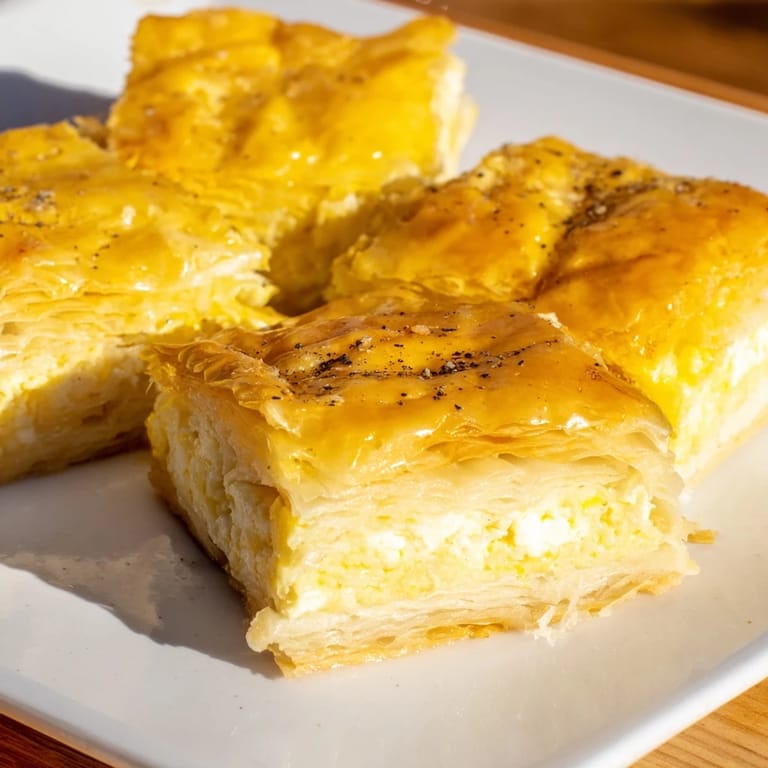
 There's this moment right when you pull gibanica from the oven where everything in the kitchen smells like possibility, and it doesn't matter if you're eating alone or feeding six people—you're connected to every person who ever mixed cheese and phyllo and decided it was worth the trouble. That's when I understood my grandmother wasn't just teaching me how to bake; she was teaching me how to love people through food.
The Magic of Layering
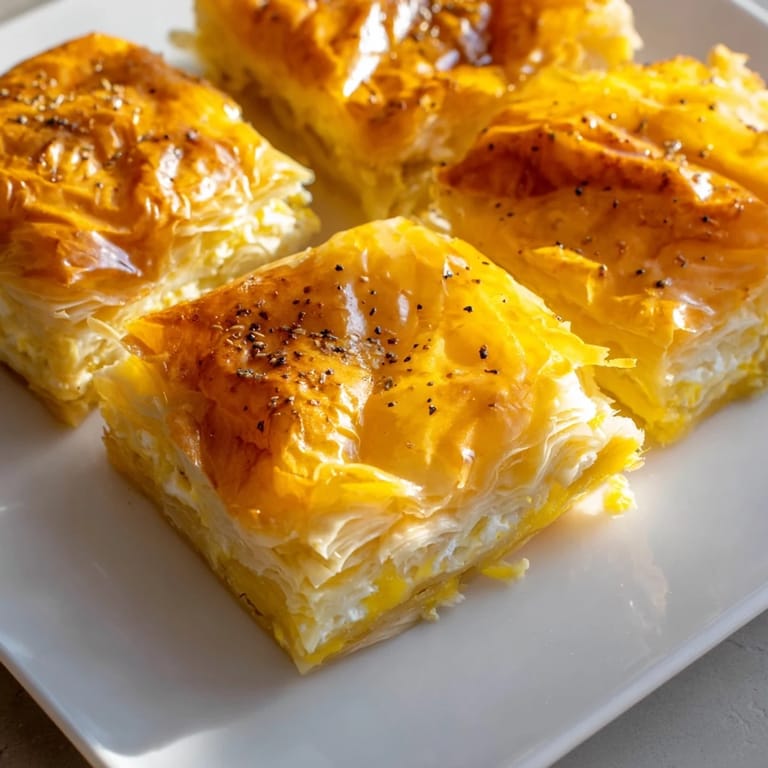
The whole point of this dish lives in those layers—the way crispy phyllo shatters against your teeth, then immediately gives way to creamy cheese that's somehow both light and impossibly rich. The oil isn't just making the phyllo brown; it's creating these delicate, impossible layers that shouldn't work but absolutely do. Every time you brush and spread, you're building something that tastes exponentially better than the sum of its parts, which honestly feels like the whole point of cooking.
Serving and Storage Wisdom
Serve this warm, barely cooled from the oven, with a side of fresh tomato and cucumber salad that cuts through the richness and makes you feel slightly virtuous about eating something this indulgent. It tastes just fine at room temperature the next day, though reheating it gently in a low oven brings back some of that magic and makes the phyllo feel crispy again instead of just existing. The key is not to wrap it too tightly while it cools because the steam needs somewhere to go, or you'll end up with soggy corners, which is the only real tragedy in this whole endeavor.
- Store leftovers in an airtight container in the fridge for up to three days, though honestly it rarely lasts that long.
- Reheat at 150°C for about 10 minutes to restore crispness without drying things out completely.
- If you're gluten-free, some phyllo brands make versions that work almost as well, so don't skip this if that's your situation.
Why This Becomes Your Go-To Recipe
Once you've made this once and seen how people respond, you'll find yourself making it constantly because it's genuinely impressive but somehow not difficult, and there's something deeply satisfying about creating something this delicious from ingredients you probably already have. It feels fancy enough to serve to people you're trying to impress, but casual enough that you'd make it just for yourself on a Tuesday.
 Save Pin
 Make this when you want to feel connected to something older and more meaningful than yourself, or when you just want to eat something that tastes like love tastes if love tasted like crispy phyllo and tangy cheese. Either way, you won't regret it.
Recipe FAQs
- → What cheeses are used in this layered pie?
The filling uses a blend of cottage cheese and crumbled feta to create a creamy and tangy texture.
- → How should the phyllo sheets be handled to prevent tearing?
Thaw frozen phyllo fully and keep it covered with a damp cloth while working to maintain moisture and prevent ripping.
- → Can this dish be made gluten-free?
Yes, by substituting regular phyllo dough with gluten-free phyllo sheets, it can accommodate gluten-free diets.
- → What is the best way to achieve a golden top layer?
Brush the top phyllo sheets generously with sunflower oil, and optionally apply beaten egg yolk for extra gloss and color before baking.
- → How should leftovers be stored and reheated?
Store leftovers covered in the refrigerator and reheat gently in an oven to preserve crispness and flavor.